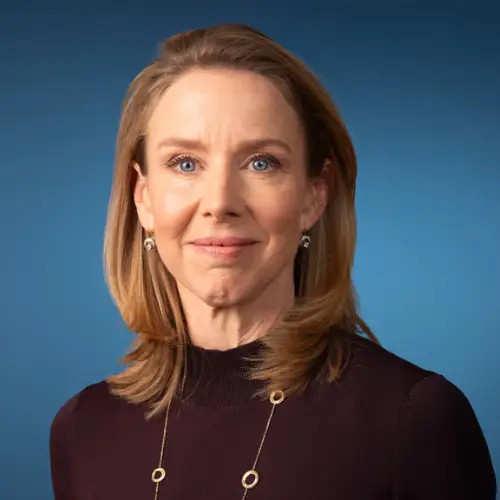
"This summit takes on urgent tasks, at an urgent moment: Advancing the energy transition – at speed and scale, and with justice; and building a new global economy for all, powered by clean, affordable electricity."
"The age of clean electrification is here. The question is whether we can build the grids and storage, mobilize the investment, and deliver the infrastructure at the speed and scale required."
"Let us seize this moment – for energy security, economic stability, and a liveable future for all.”
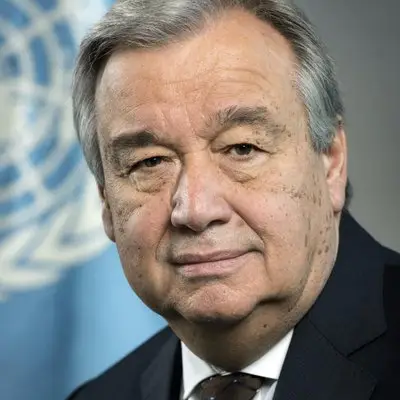
"We've chosen today to announce we've passed the incredibly significant milestone of over £100 billion of private investment in clean energy since our government came to office less than two years ago."
"Clean electrification gives us a clear alternative, an alternative that cannot be disrupted by foreign wars, that isn't subject to global shocks because it is locked in stable prices at home, and that can create good jobs and drive growth. An alternative that can deliver national security, energy security and indeed climate security"
"While the fossil fuel age was defined by the competition for scarce resources and indeed a zero sum game, the clean electricity age can be defined by the potential for abundance, because of the resources that we use and the fact that by working together, and supporting each other, we can all benefit."

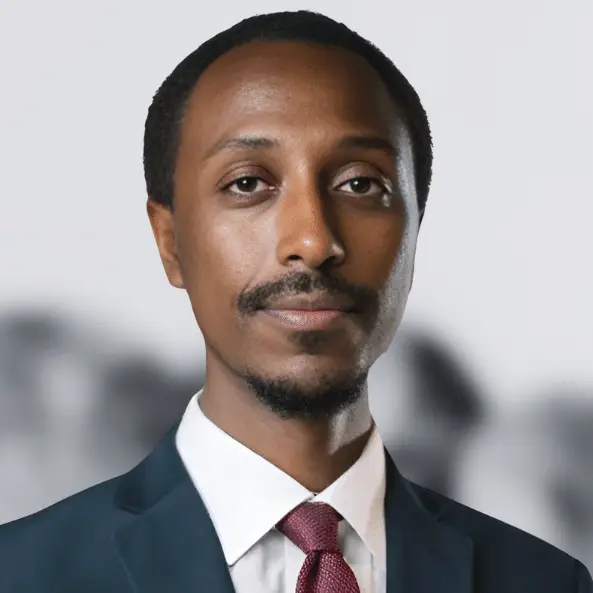
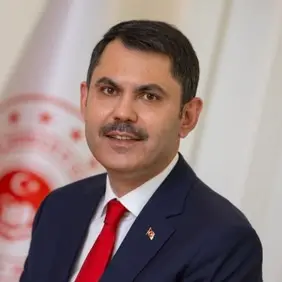
"At COP 30, we have essentially, very clearly seen that we have already many decisions that give us the mandate to go in this direction, and the Global Stocktake from Dubai is the clearest expression of that. Many of the plans that were announced in Belém from the action agenda are touching electrification and so it goes exactly in the same direction."
"I committed to present (on a date shortly) before COP 31 a roadmap on transitioning away from fossil fuels. And in this roadmap electrification is an absolutely central point. So I'm really glad to be here, I'm really glad to see things advancing, using the structures that are already in place, using the mandates that are already in place. “We don't need to go back to negotiations. All this is into the logic of the implementation of the Paris Accord. So we are here together to say yes, we can do that now and we will have to do that together."
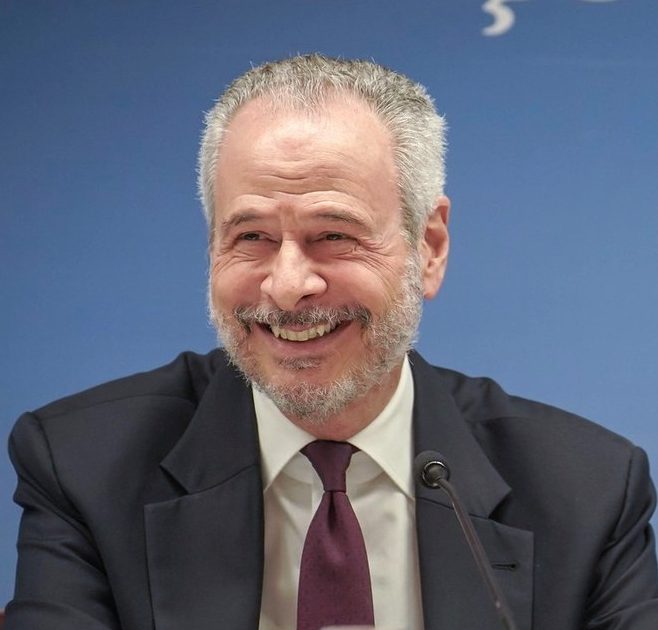
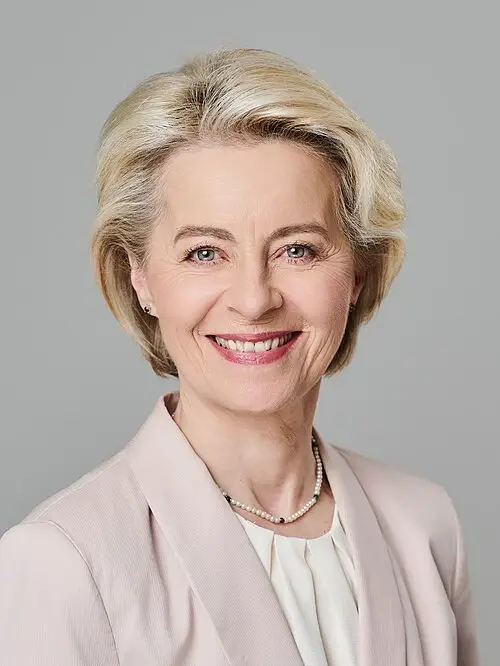
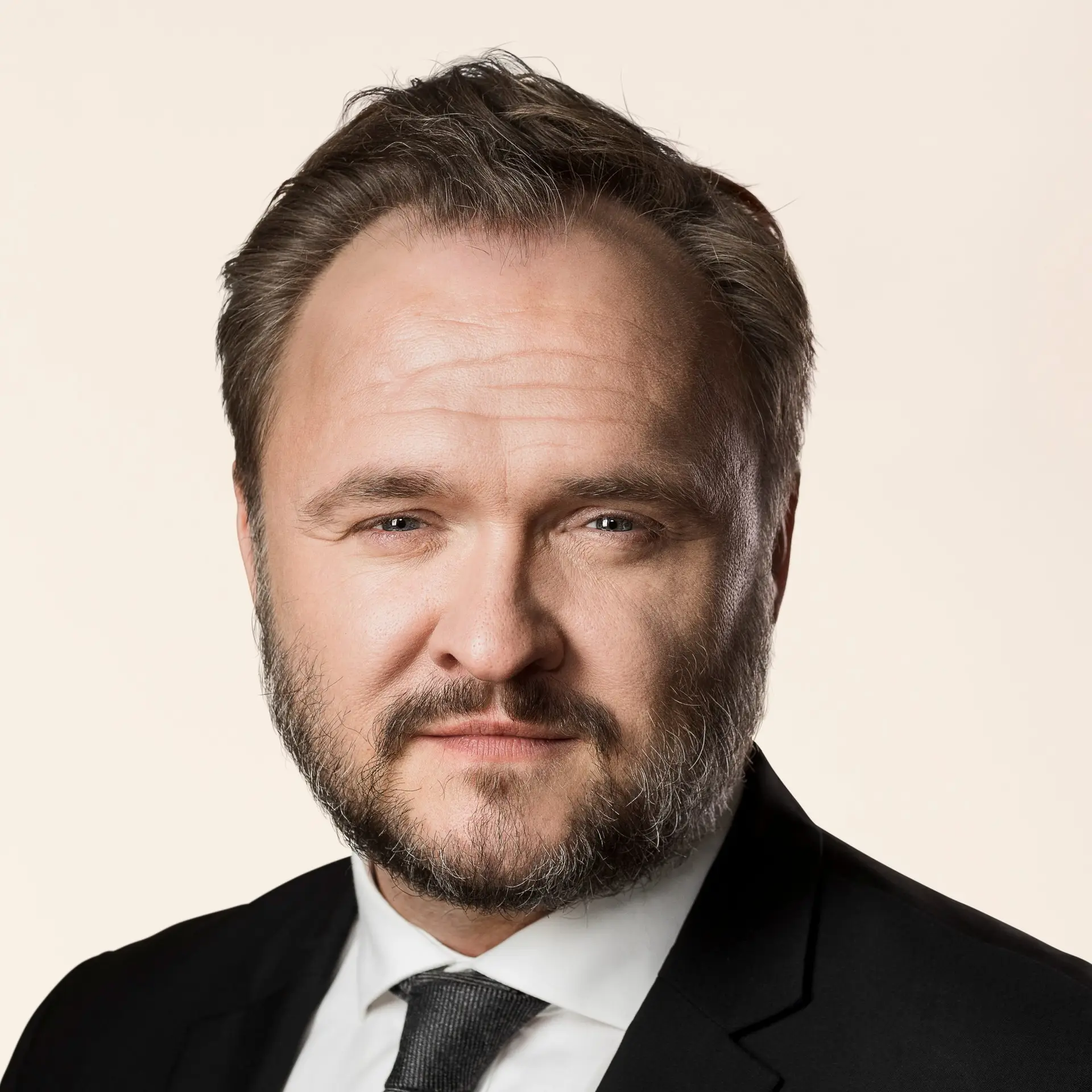
"Fossil fuels do not deliver the certainty, stability or prosperity or the planetary boundaries that we are all striving for."
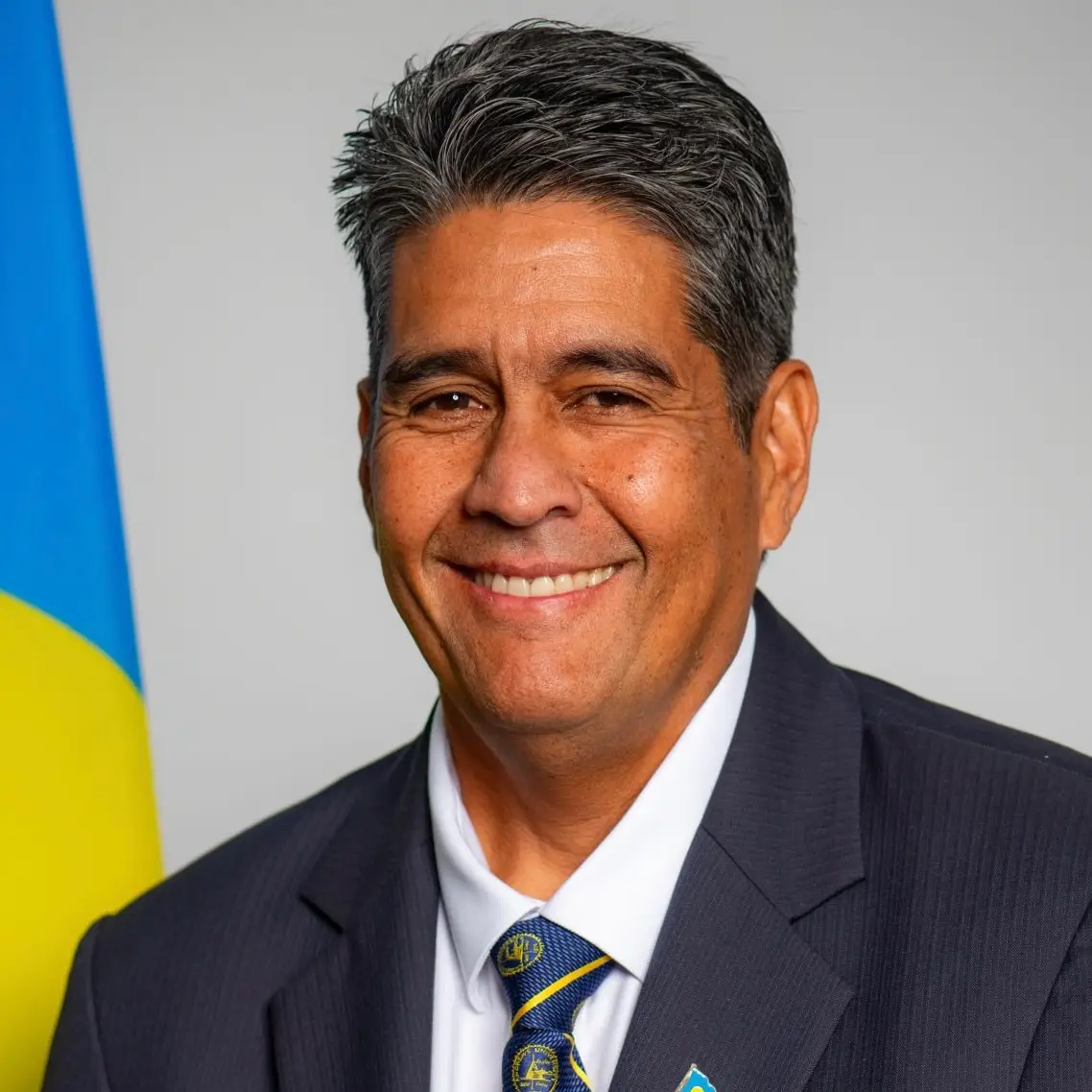
"Progress on electrification is a powerful weapon in our arsenal. Palau proudly supports the launch of Electrify Now. We will work hand in hand with our global colleagues to amplify its impact."
“The handover of the Santa Marta Report to the COP30 Presidency marks an important step in addressing both the climate crisis and energy insecurity, which are deeply intertwined with the dynamics of fossil fuel markets. This has long been a difficult conversation, yet one that the Santa Marta Coalition chose to confront head-on."
"Moving away from fossil fuels is no longer in question, nor is it a distant aspiration. It has become a global agenda, grounded in science and championed by civil society. At a time of growing energy uncertainty and geopolitical instability, the coalition built through TAFF demonstrates that countries, peoples, and subnational governments can work together to advance tangible solutions and make a just and urgent transition a reality."
"The first Transitioning Away from Fossil Fuels conference was a major milestone in international climate diplomacy. It laid the foundation for concrete action to move away from fossil fuels. With such a broad coalition of countries and representatives from the private sector, civil society, and beyond, this is a group capable of making a meaningful impact. The countries convened in Colombia account for roughly 30% of global energy demand and about 20% of global energy supply. "
"Together, we have begun organizing at scale to meet this challenge, while also committing to sustained engagement over the long term. At LCAW, co-hosts Colombia and The Netherlands presented the full report which will feed into the second conference at Tuvalu and the COP framework."