Global leaders call for speeding up of renewables and clean electrification

September 21, 2026

Share this article:

Twitter
LinkedIn

New York City, September 21, 2026 – Speeding up clean electrification and tripling global renewable energy capacity by 2030 must be key pillars of corporate and government strategies, heads of government, CEOs and civil society leaders said today at Climate Week NYC. 

An extraordinary group of more than 20 decision-makers from government, business and civil society met behind closed doors for a High-Level Leaders Dialogue at the Global Renewables Summit, a flagship event of Climate Week NYC. The session was co-hosted by Fortescue, Global Renewables Alliance, and Climate Group.

A delegation from the COP31 Presidency, which has made reaching 35% electrification by 2035 a key ambition for the upcoming climate talks in Antalya, joined the discussion alongside global leaders such as Taye Atske Selassie, President of Ethiopia, Executive-Vice President of the European Commission Teresa Ribera, Miatta Fahnbulleh, UK Secretary of State for Energy Security and Net Zero, Dr Andrew Forrest AO Executive, Chairman and founder of Fortescue, and Executive Secretary Simon Stiell of UNFCCC.

By taking part, the leaders in the High-Level Dialogue sent a strong signal to investors, other governments, and industry colleagues worldwide that the direction is clear: secure, reliable, resilient and affordable energy systems must be built on homegrown, clean electricity and futureproof grids.

As demand for electricity surges, only the rapid expansion of renewables can meet that demand while keeping emissions in check. This is backed by recent polling among almost 2,000 business leaders in 18 countries, which showed overwhelming business support for a rapid switch to renewables based electrified economies, supported by battery storage. Some 90% of the polled businesses expect to be largely electrified by 2035. 

The leaders in the room held frank discussions about the opportunities, barriers, and the policies, conditions, and market reforms needed to boost business confidence in investing in new industries while strengthening competitiveness and resilience. They also explored the importance of international cooperation, and how governments and businesses can work together to ensure energy systems are ready for electrification and the growth of AI. 

The calls align with the goals of Electrify Now, a global initiative launched in June 2026 to accelerate clean electrification through cooperation, solution-sharing, and investment mobilisation. The government coalition, coordinated by the European Commission,continues to grow and now includes Armenia, Australia, Brazil, Canada, Ethiopia, Germany, Jordan, Kenya, Palau, the Philippines, the Republic of Korea, Singapore, Türkiye, the UK, and Uruguay.

The full list of participants of the High-Level Leaders Dialogue:

  • Taye Atske Selassie, President, Ethiopia
  • Murat Kurum, COP31 President Designate, Republic of Türkiye
  • Zane Lightbourne, Minister for the Environment and Natural Resources, Bahamas
  • Steven Victor, Minister of Agriculture, Fisheries, and the Environment, Palau
  • Miatta Fahnbulleh, Secretary of State for Energy Security and Net Zero, UK
  • Teresa Ribera, Executive Vice-President for a Clean, Just and Competitive Transition, European Commission
  • Jong-ho Kyun, Deputy Minister for Climate Change of the Ministry of Foreign Affairs, Republic of Korea
  • Babajide Sanwo-Olu, Governor, Lagos
  • Simon Stiell, Executive Secretary, UNFCCC
  • Kushla Munro, Executive Director, COP31

Private sector & other high-level participants

  • Dr. Andrew Forrest, Founder and Executive Chairman, Fortescue
  • Bruce Douglas, CEO, Global Renewables Alliance
  • Brandon Spencer, President, Business Motion, ABB
  • Francesco La Camera, Director-General, IRENA
  • Karen Pflug, CSO, Ikea
  • Martin Pibworth, Chief Executive, SSE Plc I Sr. Board Member, GWEC 
  • Mike Rann, Chair, Climate Group
  • Mohamed Jameel Al Ramahi, CEO, Masdar
  • Shanta Barley, Director Real Zero Hub, IIASA Real Zero Institute
  • Tariye Gbadegesin, CEO, Climate Investment funds
  • Zoisa North-Bond, CEO, Octopus Energy Generation
  • Gonzalo Saenz de Miera, Global Director of Climate Change and Alliances, Iberdrola

"At COP31, the world must focus on how to electrify the global economy. That is the task we have set everyone, anchored by our flagship “35-by-35” electrification target. New York climate week is a critical moment for us to engage with world leaders and set the political direction for the path forward. We are greatly encouraged by the growing momentum behind our agenda and will work with everyone to build up to a successful COP31 in Antalya this November.”
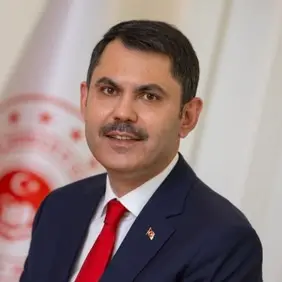
Murat Kurum
President-designate, COP31

"It’s been absolutely fantastic to be part of the global renewables summit. It’s clear that there is commitment and momentum towards electrification. This is good for the climate but also for our communities in terms of the jobs created and giving them access to affordable secure energy. That is the economic opportunity. From our conversations it is clear that there is genuine appetite to partner. And there is an absolute imperative to enable the transition to renewables."

Miatta Fahnbulleh
UK Secretary of State for Energy Security and Net Zero

"Fortescue’s Green Grid in remote Western Australia proves heavy industry can run on green power. We are building solar, wind, batteries and hundreds of miles of transmission lines at scale now to drive fossil fuels out of our iron ore mining operations and take control of our energy costs. Governments must end fossil-fuel subsidies that artificially prop up high-polluting fuels like diesel. They distort the market and work against the clear economics of going green. This is not theory. We are here. The technology is here. We are proof."
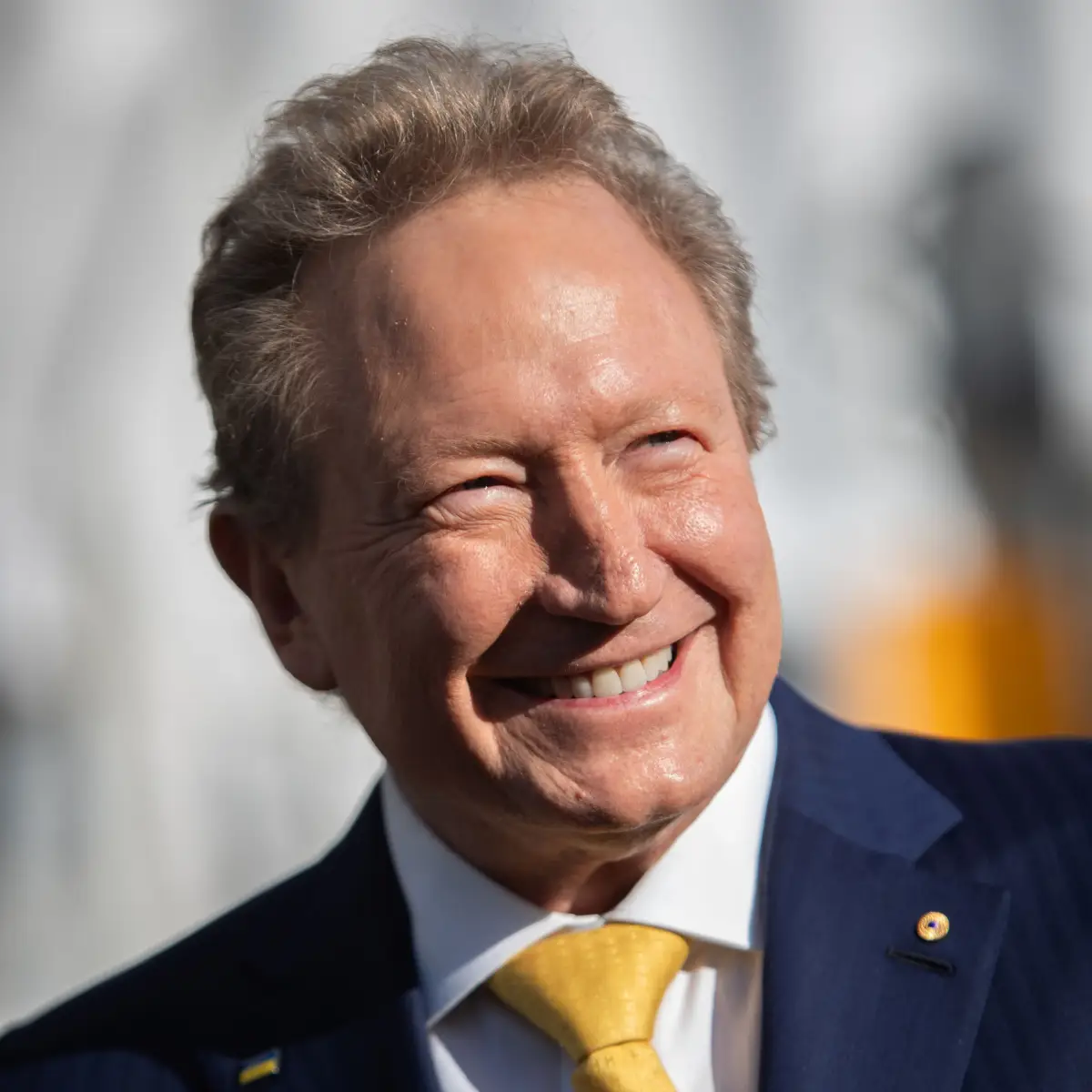
Dr Andrew Forrest AO
Executive Chairman and Founder, Fortescue

“2025 was a milestone year: the world added record levels of renewable power capacity. In 2026, extreme climate impacts and a new energy crisis have made the task even more urgent. The lesson is impossible to ignore: fossil fuel dependence is not energy security - it is a liability. Now is the time to electrify with local, cheap renewables. Governments must fast-track permitting, expand and optimise grids and scale storage. Do that, and we can protect consumers from volatile and high fossil fuel prices, whilst unlocking jobs, investment and economic growth.”
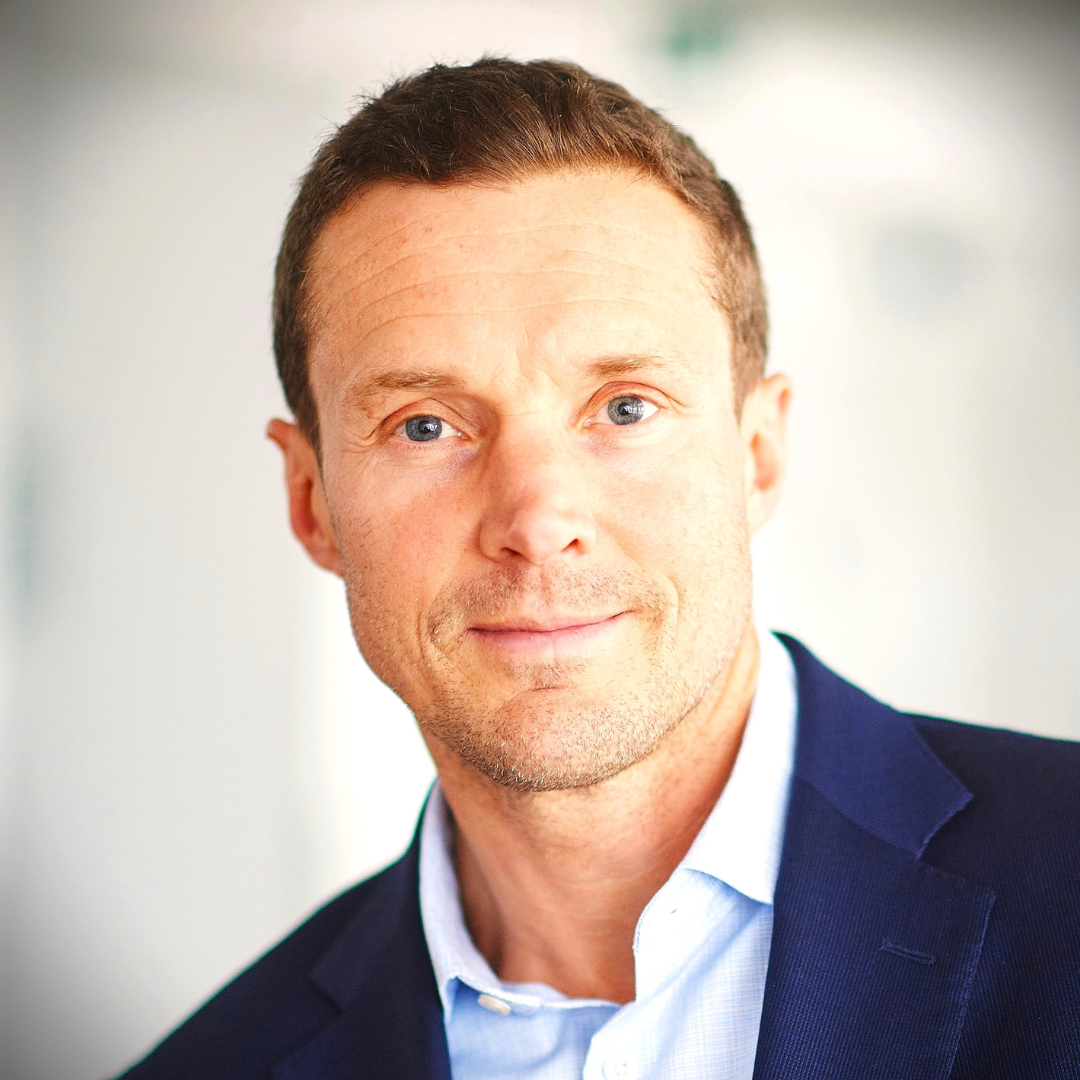
Bruce Douglas
CEO, Global Renewables Alliance

"We’re in New York, on the back of a summer of wildfires that left people on these streets and across North America gasping for air. Europe burned and was plunged into drought, parts of Asia flooded, and a devastating glacier collapse in Nepal left thousands killed or still listed as missing. The only way out of this is the clean electrification of our economies, based on renewables and battery storage. Many governments and businesses are delivering at speed and scale because energy independence makes economic and environmental sense. Those working against this will not only be left behind, but will be held accountable for the damage they cause."
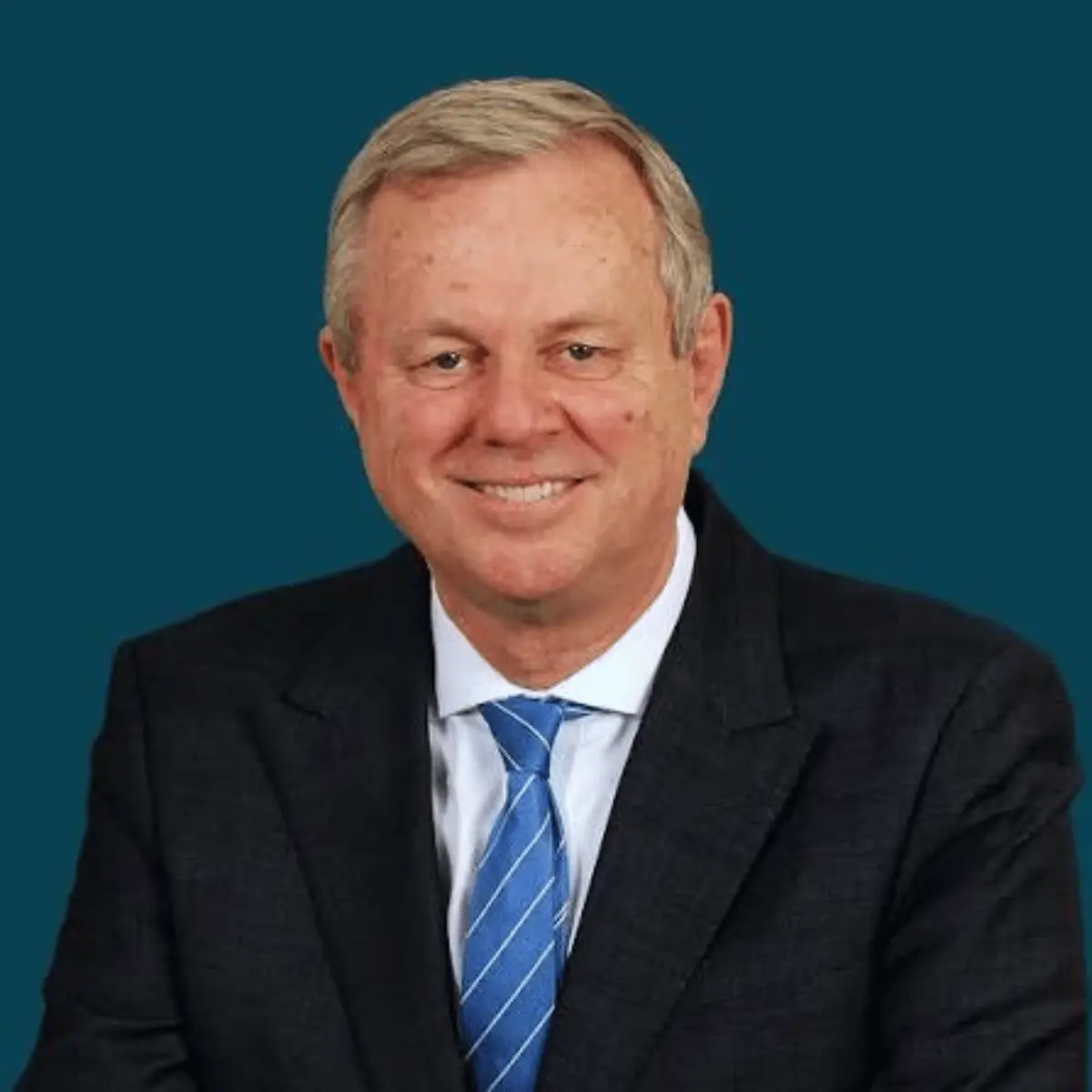
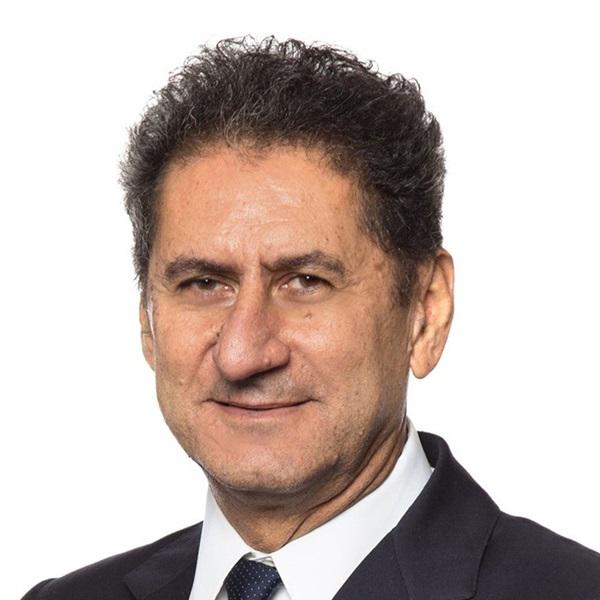
Mike Rann
Chair of the Board, Climate Group
“Renewables are moving us towards 2030 – but energy efficiency is falling behind, electricity demand is rising faster than expected, and grid infrastructure is struggling to keep pace with the record growth of renewables. IRENA’s brand-new progress report delivers a stark reality check: the global energy transition is not moving fast enough. We must accelerate. Electrification is one of the most powerful policy levers we have to drive faster action. Rapid electrification of end-use sectors is essential to unlock the efficiency gains we need and bring down the overall final energy demand. But electrification must be powered by renewable generation if we are to stand any chance of meeting the goals of the Paris Agreement. This Summit will build important momentum and help shape the global discourse at COP31 in Antalya.”
Francesco La Camera
Director-General of the International Renewable Energy Agency (IRENA)
“Electrification and the renewable energy transition are central to reducing Ingka Group’s reliance on fossil fuels. Today more than two-thirds of our real estate sites are no longer heated by traditional gas boilers, and our investments in renewable energy and energy efficiency provide greater control over energy supply while reducing costs. To accelerate progress, governments must create the conditions for investment and deployment at scale. This requires greater investment in grid capacity and infrastructure, simpler and more predictable permitting, stronger incentives for on-site generation and energy storage, and policies that support the renovation and electrification of buildings.”
Karen Pflug
Chief Sustainability Officer, Ingka Group

“Renewable electrification is one of the most powerful tools we have to limit warming and minimise overshoot of 1.5C, while improving energy access and creating economic opportunity. The technologies already exist and, in many countries, rapidly scaling renewables and electrification can enable societies to drive fossil fuel emissions towards near-zero while building new industries and improving people’s lives.”

Shanta Barley
Director Real Zero Hub, IIASA Real Zero Institute

"Electrification is at the heart of the response to today’s security and competitiveness challenges, stemming from the continued dependence of our energy model on fossil fuels. At Iberdrola, we have long championed clean electricity as the most effective way to create sustainable value for the economy. Through our partnership with the Global Renewables Alliance, we are joining forces with key partners to accelerate electrification worldwide and deliver meaningful benefits across society."
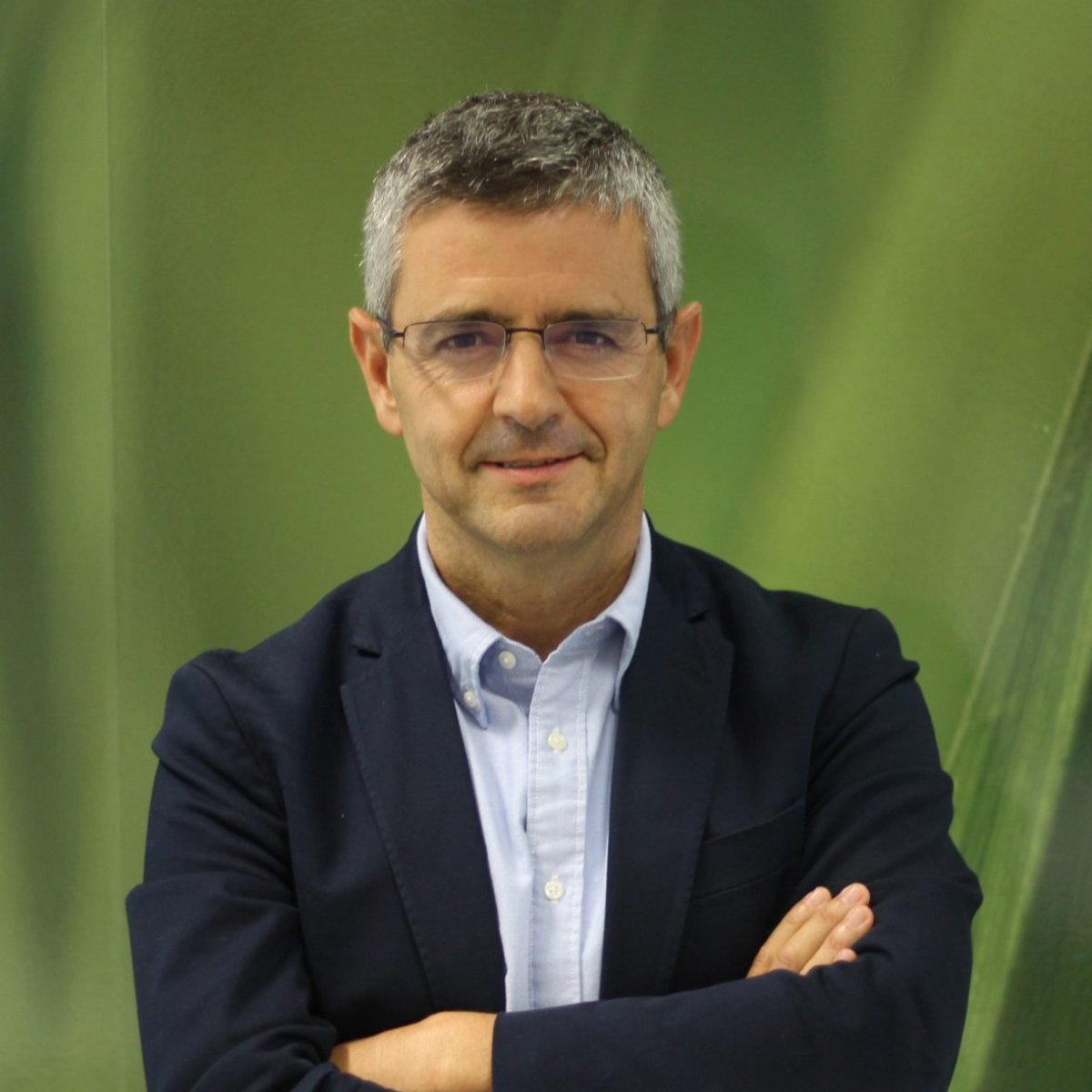
Gonzalo Saenz de Miera
Global Director of Climate Change and Alliances, Iberdrola

“The technologies needed to build a more productive, resilient and efficient energy system already exist. The challenge now is scaling them faster. Achieving that requires accelerated electrification, improved energy efficiency and stronger collaboration across industry, government and civil society. The Global Renewables Summit brings together stakeholders who do not always sit at the same table and helps turn shared ambition into action. For ABB, these partnerships are essential to expanding the adoption of proven technologies, strengthening competitiveness and enabling a more resilient and lower-carbon energy system."
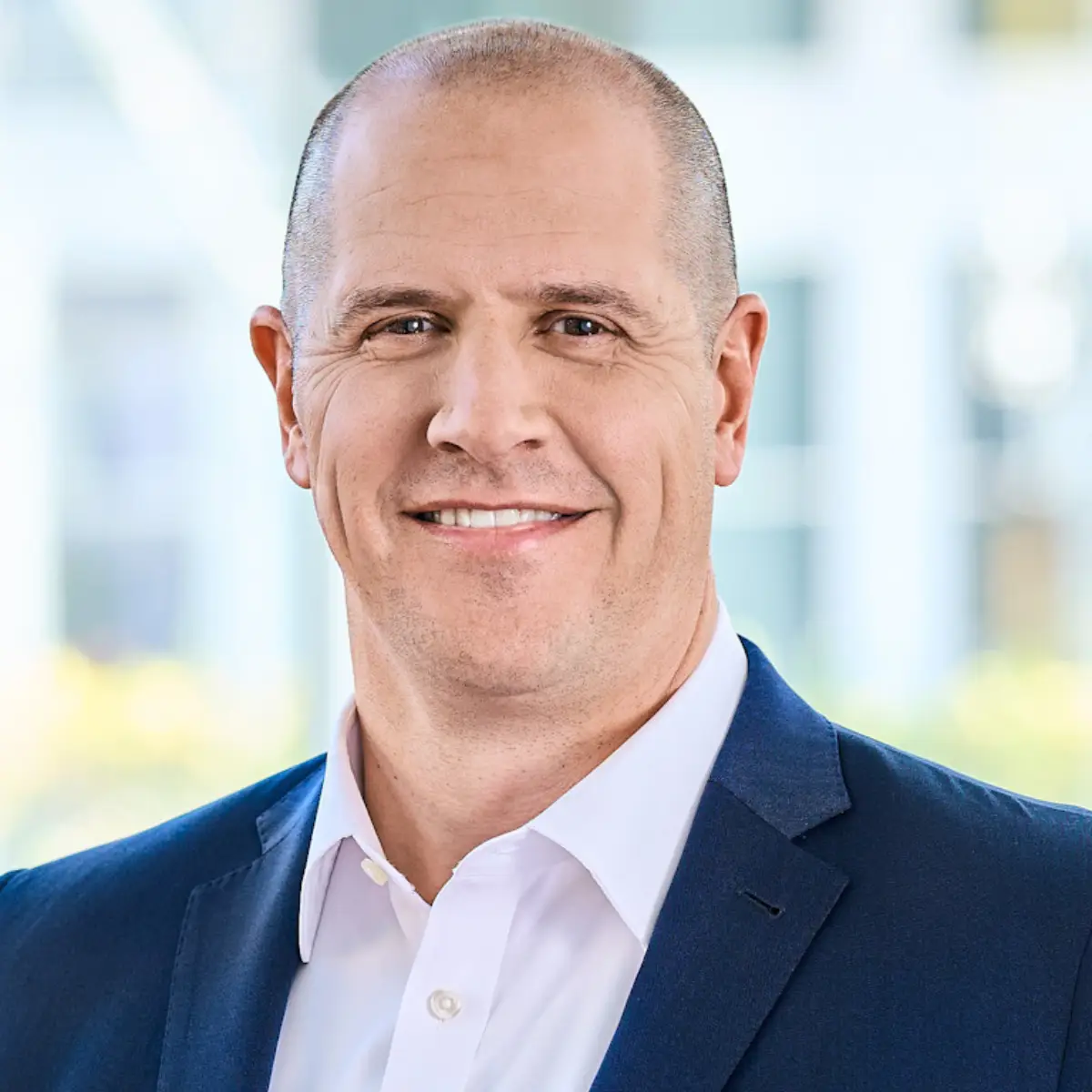

Brandon Spencer
President Motion Business Area, ABB

About the Global Renewables Alliance

The Global Renewables Alliance (GRA) is a global alliance of renewable energy industry associations. It works with governments, industry, investors and other stakeholders to advance the policies, partnerships and investment needed to accelerate renewable energy deployment in line with the global 3xRenewables target to deliver secure, competitive and resilient energy systems.
Founded by the Global Wind Energy Council, the Global Solar Council, the Green Hydrogen Organisation, the International Geothermal Association, the International Hydropower Association, and the Long Duration Energy Storage Council, GRA provides a unified voice across wind, solar, hydropower, geothermal, green hydrogen, energy storage and grids.

Press Contact

Seán Kerrigan

Head of Communications